Which of the following items is considered an asset?

Christopher Ramos
Updated on February 24, 2026
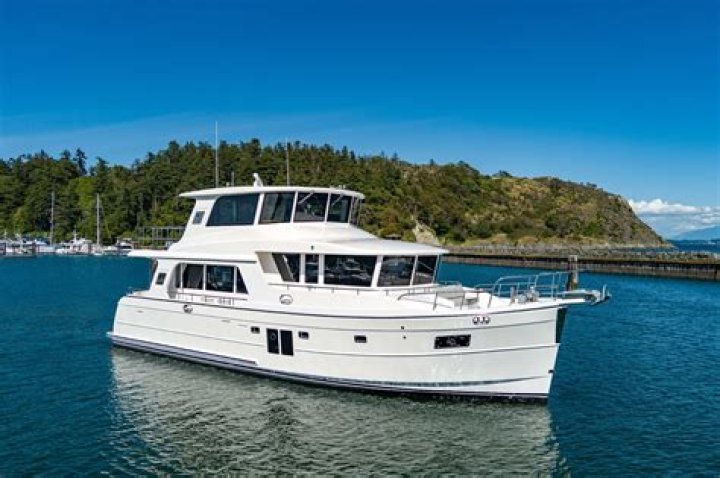
Property or land and any structure that is permanently attached to it. Personal property—boats, collectibles, household furnishings, jewelry, vehicles. Investments—annuities, bonds, the cash value of life insurance policies, mutual funds, pensions, retirement plans, (IRA, 401(k), 403(b), etc.) stocks.
What are the classified assets?
Classified Assets means all OREO and all loans which have been classified as “substandard,” “doubtful,” or “loss” (or words of similar import) by the Bank, or an applicable Regulatory Authority.
Why do we classify assets?
Importance of Asset Classification Classifying assets is important to a business. For example, understanding which assets are current assets and which are fixed assets is important in understanding the net working capital of a company.
How do you classify banking company assets?
Banks are required to classify nonperforming assets into one of three categories according to how long the asset has been non-performing: sub-standard assets, doubtful assets, and loss assets. A sub-standard asset is an asset classified as an NPA for less than 12 months.
How are assets classified in a financial statement?
Here’s a list of asset accounts under each line item, and classified into current and non-current: 1. Cash and Cash Equivalents Cash Equivalents are short-term investments with very near maturity dates making them assets that are “as good as cash”. 2. Trading Securities or “Financial Assets at Fair Value”
How are current assets and non-current assets classified?
Assets are classified into two: current assets and non-current assets. Current assets are those that are expected to be realized or used within the company’s normal operating cycle or 1 year, whichever is longer. They include properties that are held primarily for the purpose of selling them in the near future.
How are assets classified in a business operation?
Usage: Classifying assets based on their business operation usage/purpose. If assets are classified based on their convertibility into cash, assets are classified as either current assets or fixed assets. An alternative expression of this concept is short-term vs. long-term assets. 1. Current Assets
What are the different types of assets in a company?
, or government with the expectation that it will generate future cash flows. Common types of assets include: current, non-current, physical, intangible, operating, and non-operating. Correctly identifying and classifying the types of assets is critical to the survival of a company, specifically its solvency and associated risks.