When a property is taken through condemnation it was a result of?

Christopher Ramos
Updated on March 17, 2026
Condemnation can be temporary or permanent and may be done for a number of reasons. The two most common are due to the unsafe condition of the property or to carry out a government taking of the property under the legal doctrine of eminent domain.
Are condemnation proceeds taxable?
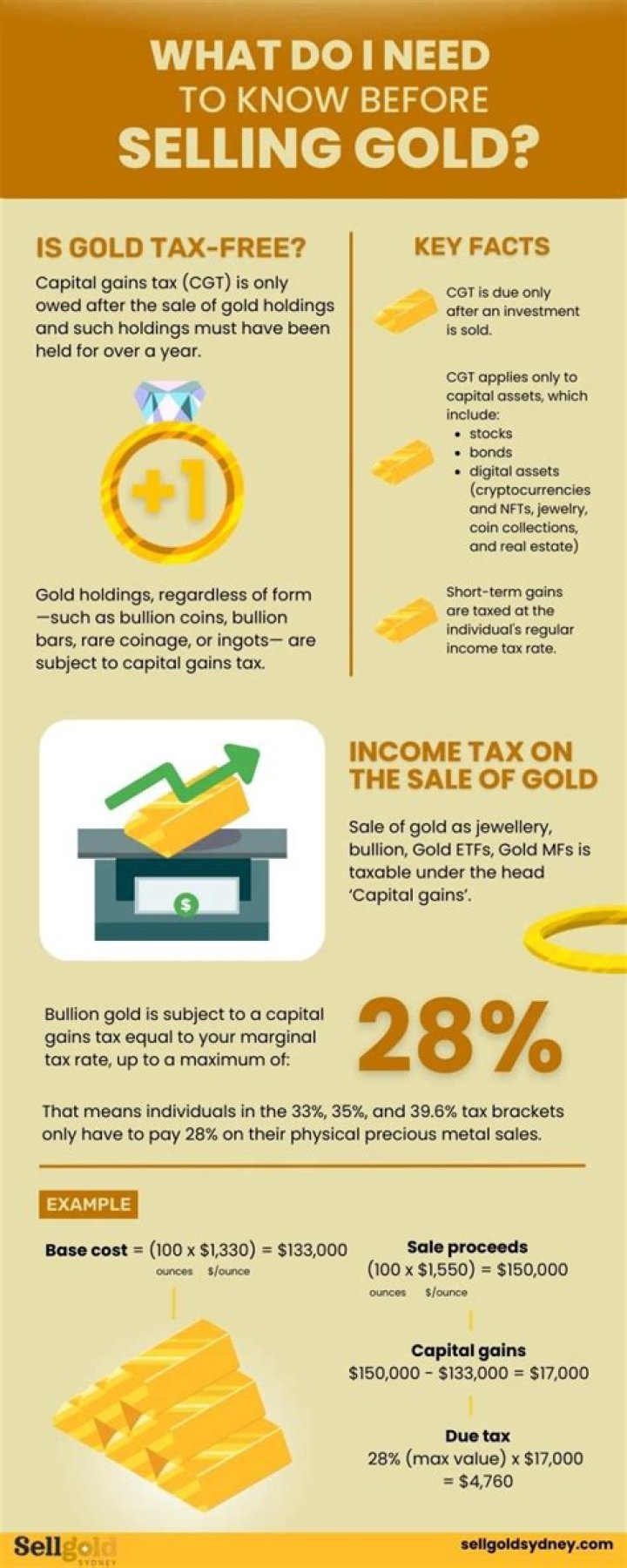
Taxable gain (amount by which the proceeds exceed the tax basis of the property) results when a property is taken by condemnation (or sold under threat of eminent domain). While it is likely that the award may be subject to taxation, any lien holder or lender may also have a claim to the awarded funds.
What is it called when the government actually seize someone’s property?
Overview: Eminent domain refers to the power of the government to take private property and convert it into public use.
What is partial condemnation?
Partial condemnation, then, is the process where only a portion of a property and/or business is condemned by a governing authority, leaving a portion of the property intact and, hopefully, operational.
What does God say about condemnation?
Since Christ is free from condemnation before God, so is the sinner who is “in Christ” Not only that, but God has “raised us up with Christ and seated us with him in the heavenly realms in Christ Jesus” (Ephesians 2:6). Being in Christ by faith removes God’s condemnation, and assures us of eternal life in heaven.
What is condemnation proceedings?
According to The Free Dictionary, condemnation proceedings represent “the power to take private property for public use by a state, municipality, or private person or corporation (also called the Eminent Domain) authorized to exercise functions of public character, following the payment of just compensation to the …
How do I report condemnation on my tax return?
The condemnation sale should be reported on Form 4797 and the gain should be noted as “deferred under §1033.” This will comply with the requirements for making an election to defer gain under §1033 as well as comply with the reporting requirements.
What is the difference between condemnation and eminent domain?
“Eminent Domain” refers to the inherent right of the government to take private property for a public use. “Condemnation” is the legal process and procedure used by public or private entities with the power of eminent domain for the taking of a landowner’s land.
What is a partial taking?
Partial taking refers to the taking of part of a property under power of eminent domain for public use. In case of partial taking, compensation must be paid to the remainder property, considering damages and/or special benefits. Damages in partial taking is known as severance damages.
What are the tax consequences of a condemnation award?
In many cases, property owners will receive a lump sum condemnation award, which can make it difficult to allocate the compensation received into different tax buckets.
How is property valued in a condemnation proceeding?
Fundamentally, this involves obtaining one or more appraisals of the property being condemned. However, as we have previously discussed, the appraisal of property for purposes of a condemnation proceeding will not necessarily be the same as its appraisal for other purposes, such as for purposes of obtaining bank financing.
Can a condemnation be used for a public project?
Condemnation can be in many forms. The government can take your entire property, a portion of it, or only take it temporarily In a partial taking, the entire parcel isn’t necessary for the public project. For example, your county may need to condemn a 10-foot strip in your front yard in order to widen a street.
When to know about condemnation and eminent domain?
Condemnation and eminent domain are two terms that you’ll encounter when buying laand. Often, you’ll hear about them when there is a major news event around the seizure of private lands for a public project.