What is IPM in simple words?

Christopher Davis
Updated on March 25, 2026
Integrated Pest Management (IPM) is an effective and environmentally sensitive approach to pest management that relies on a combination of common-sense practices. IPM takes advantage of all appropriate pest management options including, but not limited to, the judicious use of pesticides.
What is an example of an IPM?
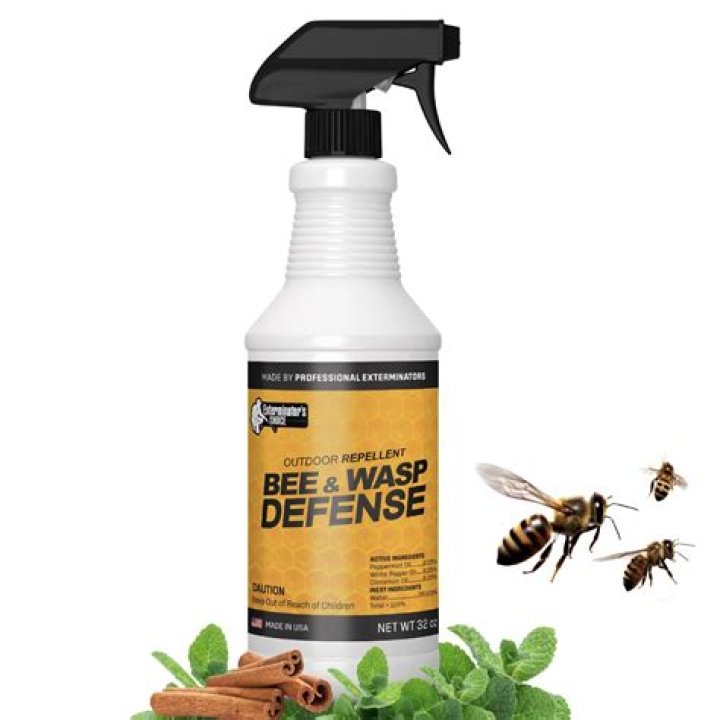
An effective IPM program includes pesticides for prevention and active treatment. Pesticides pack necessary and powerful punches, especially when other IPM controls fall short. Invasive Japanese beetles, for example, devastate gardens and skeletonize leaves and blossoms.
What are the 5 steps of IPM?
Five Steps To Pest Management
- Pest ID. Proper identification of a pest is important for several reasons.
- Monitor pest populations. “Rather than calendar-based treatments, IPM stresses scouting practices to detect pests and determine if action is necessary.
- Assess economic loss.
- Implement pest control.
- Evaluate results.
What is an IPM at work?
Interactive Process Meeting (IPM) is a dialogue between an employer and employee with a known disability to determine whether there is a reasonable accommodation that would enable the employee to perform the essential functions of the job.
What is the main goal of IPM?
The goal of IPM is to reduce the adverse impacts of pest control on human health, the environment and non-target organisms, while managing pests effectively. The concept of Integrated Pest Management is not new and has been used on field crops and orchards throughout the world.
What are the IPM tactics?
IPM is an ecosystem-based strategy that focuses on long-term prevention of pests or their damage through a combination of techniques such as biological control, habitat manipulation, modification of cultural practices, and use of resistant varieties.
What are the 6 steps to IPM?
Steps of Integrated Pest Management (IPM)
- Proper identification of damage and responsible “pest”
- Learn pest and host life cycle and biology.
- Monitor or sample environment for pest population.
- Establish action threshold (economic, health or aesthetic)
- Choose appropriate combination of management tactics.
- Evaluate results.
What are the steps in IPM process?
In practice, IPM is an ongoing cycle of seven critical steps:
- Step 1: Inspection. The cornerstone of an effective IPM program is a schedule of regular inspections.
- Step 2: Preventive Action.
- Step 3: Identification.
- Step 4: Analysis.
- Step 5: Treatment Selection.
- Step 6: Monitoring.
- Step 7: Documentation.
What are the six steps of an IPM program?
Steps of Integrated Pest Management (IPM)
- Proper identification of damage and responsible “pest”
- Learn pest and host life cycle and biology.
- Monitor or sample environment for pest population.
- Establish action threshold (economic, health or aesthetic)
- Choose appropriate combination of management tactics.
- Evaluate results.