What is an error on a coin?

Michael Gray
Updated on April 08, 2026
An error coin is a coin that was manufactured incorrectly by a mint. Many times called mint errors, error coins come in scores of “shapes, sizes and types.” The sheer variety of minted errors adds excitement and uniqueness in collecting them.
How do you tell if a coin is an error?
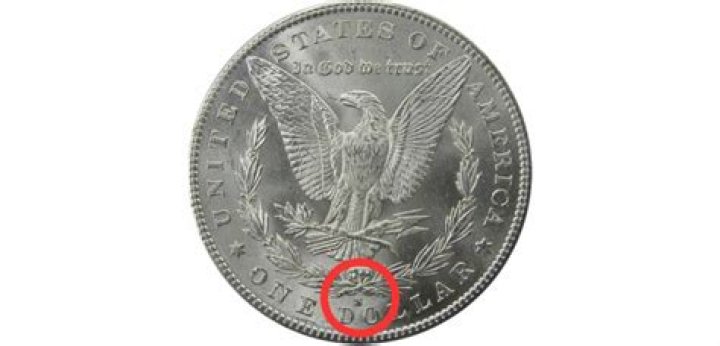
Common places to notice such an error include the chin, eyes, and ears. Look for any cracks, cuds (or blobs covering an image, word, date, etc.), or missing elements on the images. Turn the coin from top to bottom (no, side-to-side will not work), if your coin was right side up before, it should be right side up now.
How do you tell if a coin has been double struck?
The key difference is that double struck coins are struck more than once while the coin is in the coining chamber of the coining press. When this happens, the first impression is flattened, or sometimes obliterated by the second strike. Subsequent strikes will also flatten or obliterate the design from earlier strikes.
What are the different types of errors on coins?
There are three different types of errors, planchet errors, die errors, and mint striking errors. Some examples are: strike doubling, laminations, struck through, off center, clipped planchets, capped dies, grease filled dies, die adjustment strikes, and die clashes.
What is a planchet error on a coin?
Planchet errors encompass all mistakes resulting from a defective blank, whether or not it has passed through the upsetting mill. One error that can occur is for the planchet to be counted and bagged without going through the press at all. The result is a blank planchet, which may or may not be milled.
Are error coins worth any money?
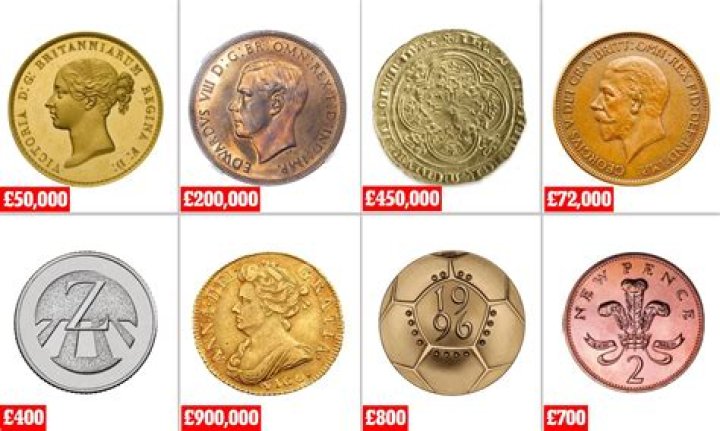
The most exciting thing about common Mint error coins is that they can often be found in circulation! (That’s right… so start looking through your spare change for these coin mistakes.) And the most exciting thing about rare Mint error coins is their value! They are often worth hundreds — even thousands — of dollars.
Are machine doubled coins worth anything?
Machine doubled coins aren’t considered valuable by some numismatists, but that doesn’t mean there isn’t a market for them. The profits being made from machine doubled coins suggest it’s not always about the kind of doubling, but rather the unique appearance of a coin with doubling.
Are all 1969-S pennies valuable?
All 1969-S Lincoln Memorial cents are worth more than face value due to their intrinsic copper content, which at present is illegal to obtain through melting the coin but is nevertheless worth about two cents in the bullion perspective.
What kind of coin has a mule on both sides?
Mules A mule is a coin struck with obverse and reverse (the sides of the coin also known as the heads and tails respectively) designs not meant to be together in one coin. A very common example is a coin with obverse images on both sides of the coin.
What causes a coin to be called a double strike?
Error coins with double strikes. When the die is mistakenly pressed on the coin twice, the coin is called a double struck coin. Double or multiple strike errors happen when the coin fails to eject from the collar. As a result, the coin is struck more than once by the coin dies and this creates the multiple marks on the coin.
What makes a coin different from another coin?
A variation in appearance to a coin struck by a single die, resulting from wear or alteration of the die. For example, the presence or absence of die cracks may signal a specific die state. Minor variation in a die, including repunched mintmarks, doubling, or deliberate minor changes to the die design. United States $0.10 coin.
How are unstruck coins struck between two dies?
The rim milling is imparted by the retaining collar at the same time as the design detail is struck between the two dies. Most blank planchets have a raised rim, as this is also imparted onto the disc before it gets struck between the dies in a process known as ‘up-setting’. Unstruck coins are unusual but can normally be obtained quite cheaply.