What is a ten bob note worth?

James Olson
Updated on April 11, 2026
Back in the 1960’s the 10 Shilling Note, or ‘ten bob’ as it was commonly known, would go pretty far – buying you 6 pints of beer, 10 loaves of bread, or 17 pints of milk. Nowadays it’s hard to imagine the decimal equivalent, the 50p, buying so much. In fact, 50p can only just buy you one pint of milk today!
What replaced the 10 shilling note?
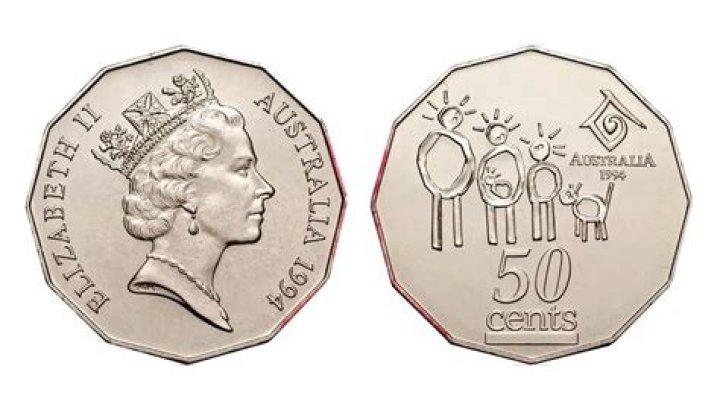
50p
On 20th November 1970 the ten shilling – or ‘ten bob’ – note was officially withdrawn from circulation and replaced with the world’s first seven-sided coin, the 50p. Today you have the opportunity to own one of those very last ten shilling notes ever to be issued.
Are there Bank of England 10 shillings notes?
The Bank of England issued British Pound banknotes in 7 different denominations, including this Bank of England 10 Shillings banknote (Britannia type red). They are part of the withdrawn Bank of England banknotes series.
When did the Bank of England start issuing banknotes?
The Bank of England issued British Pound banknotes in 7 different denominations, including this Bank of England 10 Shillings banknote (Britannia type red). They are part of the withdrawn Bank of England banknotes series. The Bank of England started issuing these 0.5 British Pound banknotes in 1928. They were withdrawn from circulation in 1962.
What was the White Bank of England £10 signed by Mahon 1925?
White Bank of England £10 Liverpool branch banknote signed by Mahon 1925 paying £350 Treasury banknote John Bradbury 10s (shilling) from the First World War paying £250 For explanations of Terms used, click on News & Info £1 Peppiatt Second World War low serial first prefix, paying £450 (£8 for normal banknote) Banknotes sent for sale.
When did the ten shilling note go out of circulation?
The Ten Shilling note was progressively withdrawn after the introduction of decimal currency in 1971. It was replaced by the 50 New Pence coin. The last series was brown with a portrait of Queen Elizabeth II on the front-right and a seated Brittania centrally on the back. It was signed by three chief cashiers;