What are some prevention strategies?

Christopher Ramos
Updated on March 23, 2026
Some examples of commonly used prevention strategies are: Primordial: Government policy: Increasing taxes on cigarettes; Decreasing advertisement of tobacco[5] Built Environment: Access to safe walking paths; access to stores with healthy food options.
What are the 3 types of prevention?
Primary Prevention—intervening before health effects occur, through.
What are strategies for preventing Covid?
Keep washing your hands After washing, dry them completely (with an air dryer or paper towel) and avoid touching the sink, faucet, door handles, or other objects. If no soap is available, use a hand sanitizer with at least 60% alcohol content, and rub the sanitizer on your hands until they are dry.
What are 10 strategies to help prevent communicable diseases?
Healthy Habits
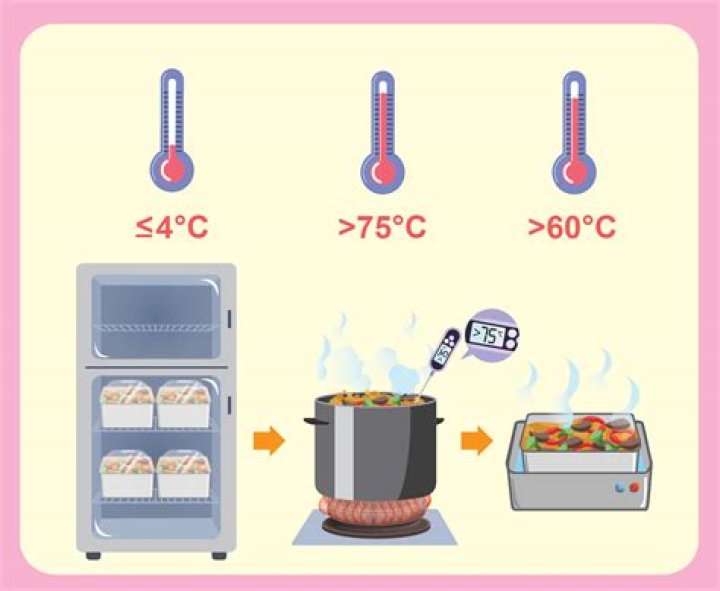
- #1 Handle & Prepare Food Safely. Food can carry germs.
- #2 Wash Hands Often.
- #3 Clean & Disinfect Commonly Used Surfaces.
- #4 Cough and Sneeze into a Tissue or Your Sleeve.
- #5 Don’t Share Personal Items.
- #6 Get Vaccinated.
- #7 Avoid Touching Wild Animals.
- #8 Stay Home When Sick.
What are examples of secondary prevention?
Secondary prevention Examples include: regular exams and screening tests to detect disease in its earliest stages (e.g. mammograms to detect breast cancer) daily, low-dose aspirins and/or diet and exercise programs to prevent further heart attacks or strokes.
What are the four levels of prevention?
Levels of the prevention are mainly categorized as primordial, primary, secondary, and tertiary prevention. Over the years, the concept of prevention has undergone significant changes.
What are primary prevention strategies?
Primary prevention aims to prevent disease or injury before it ever occurs. This is done by preventing exposures to hazards that cause disease or injury, altering unhealthy or unsafe behaviours that can lead to disease or injury, and increasing resistance to disease or injury should exposure occur.
What is an example of primary prevention?
Primary prevention—those preventive measures that prevent the onset of illness or injury before the disease process begins. Examples include immunization and taking regular exercise.
What is prevention method?
In general, preventive care refers to measures taken to prevent diseases instead of curing or treating the symptoms. The three levels of preventive care—primary, secondary, and tertiary care—are detailed below: Primary Prevention.
What is the most effective way to prevent infection?
Good hygiene: the primary way to prevent infections
- Wash your hands well.
- Cover a cough.
- Wash and bandage all cuts.
- Do not pick at healing wounds or blemishes, or squeeze pimples.
- Don’t share dishes, glasses, or eating utensils.
- Avoid direct contact with napkins, tissues, handkerchiefs, or similar items used by others.