How has tobacco use affect the health of US citizens?

Mia Phillips
Updated on February 08, 2026
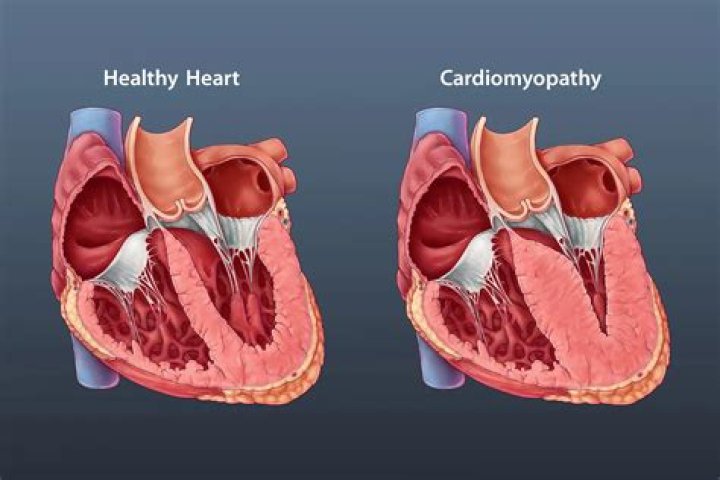
Smokers are at greater risk for diseases that affect the heart and blood vessels (cardiovascular disease). Smoking causes stroke and coronary heart disease, which are among the leading causes of death in the United States.
Is tobacco use a public health issue?
What is the public health issue? Tobacco use is the single most preventable cause of disease, disability, and death in the United States. Cigarette smoking harms nearly all organs of the body; it has been linked to heart disease, multiple cancers, lung diseases, among others.
How can smoking be monitored?
The two most common method for monitoring recent smoking via biochemical markers are the detection of the nicotine metabolite, cotinine, in salvia or urine samples, and the measurement of carbon monoxide (CO) in the breath. Breath CO is an accurate and non-invasive biological test to assess recent smoking.
Does the CDC recommend smoking?
CDC recommends that states spend 12% of those funds on tobacco control. In 2019, 14.0% of all adults (34.1 million people) currently smoked cigarettes: 15.3% of men, 12.7% of women. Each day, about 1,600 youth try their first cigarette. Many adult cigarette smokers want to quit smoking.
Which of the health risks associated with tobacco use do you consider the most serious?
Tobacco smoking can lead to lung cancer, chronic bronchitis, and emphysema. It increases the risk of heart disease, which can lead to stroke or heart attack. Smoking has also been linked to other cancers, leukemia, cataracts, Type 2 Diabetes, and pneumonia.
What are 5 harmful ingredients that are in tobacco?
Harmful Chemicals in Tobacco Products
- Nicotine (the addictive drug that produces the effects in the brain that people are looking for)
- Hydrogen cyanide.
- Formaldehyde.
- Lead.
- Arsenic.
- Ammonia.
- Radioactive elements, such as polonium-210 (see below)
- Benzene.
Why is smoking a public health issue in the UK?
Smoking is one of the biggest causes of death and illness in the UK. Every year around 78,000 people in the UK die from smoking, with many more living with debilitating smoking-related illnesses. Smoking increases your risk of developing more than 50 serious health conditions. if you smoke yourself.
Why is smoking bad for you?
Smoking causes cancer, heart disease, stroke, lung diseases, diabetes, and chronic obstructive pulmonary disease (COPD), which includes emphysema and chronic bronchitis. Smoking also increases risk for tuberculosis, certain eye diseases, and problems of the immune system, including rheumatoid arthritis.
Why is smoking bad for you BBC Bitesize?
Smoking can cause lung disease, heart disease and certain cancers. Nicotine is the addictive substance in tobacco. It quickly reaches the brain and creates a dependency so that smokers become addicted.
What is the CDC budget for smoking and health?
With an FY 2019 budget of $210 million, CDC’s Office on Smoking and Health (OSH) prevents young people from using tobacco, helps people quit using tobacco, reduces secondhand smoke exposure, and identifies and eliminates tobacco-related disparities. To meet these goals, OSH works to: affects populations. tobacco use. strategies. smoke exposure.
How does the CDC measure the effects of smoking?
CDC collects, studies, and shares information to assess tobacco use and its effects on health, promote evidence-based approaches, and measure progress toward goals. CDC uses this information to:
How can the United States reduce the use of tobacco?
The implementation of comprehensive, evidence-based, population-level interventions, combined with targeted strategies, in coordination with regulation of tobacco products, can reduce tobacco-related disease and death in the United States.
How does the national youth tobacco survey work?
The online STATE System provides data on state tobacco use prevention and control policies. The National Youth Tobacco Survey is the nation’s premier school-based survey focusing specifically on use, beliefs, and knowledge about tobacco among middle and high school students.