Can you scrape the plaque off your own teeth?

Mia Phillips
Updated on April 15, 2026
Although plaque scrapers can be purchased in some stores and online, it's not a good idea to use them yourself. Because plaque scrapers are sharp, improper use can damage the delicate gum tissue. Trauma to the gum tissue isn't just painful, it can also cause receding gums, exposing the sensitive roots of the teeth.
How do you scrape plaque off your teeth at home?
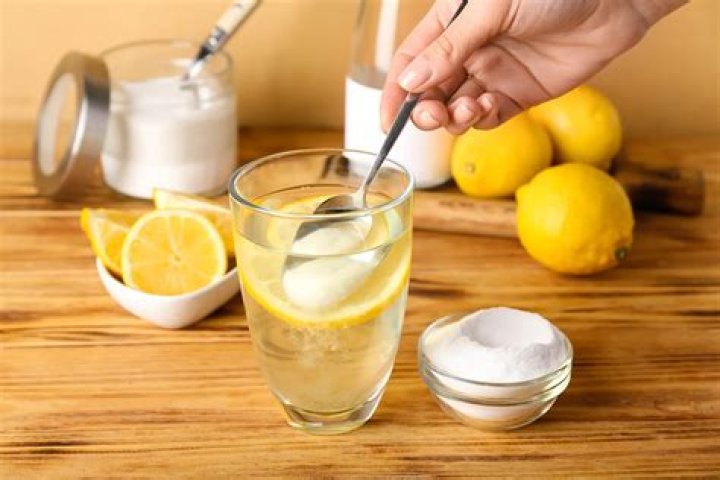
Mix a teaspoon of aloe vera gel with four teaspoons of glycerine (an ingredient found in many toothpastes), five tablespoons of baking soda, a drop of lemon essential oil, and a cup of water. Once mixed, use the mixture to clean your teeth to gradually remove plaque and tartar.What happens if you scrape tartar off your teeth?
DIY tartar scraping can damage the delicate gum tissue and may lead to gum recession. You can also injure your cheeks, tongue and mouth while using a scraper. Scraping off tartar at home can lead to gum infections.Can I scrape my own tartar off?
Once tartar is formed it can only be removed by a dental professional. Dental professionals perform a process called scaling to remove the tartar. Scaling involves a special tool to scrape the tartar off of your teeth.Should I remove my own plaque?
Regular brushing and flossing will certainly help, but only a dental professional can remove plaque from all surfaces of your teeth. It might be tempting to try and get rid of plaque yourself, but that can cause more harm than good.How to Use Sickle Scalers
How do you remove hardened plaque?
Here's how:
- Brush regularly, twice a day for 2 minutes a time. ...
- Studies have found that electronic, or powered, toothbrushes may get rid of plaque better than manual models. ...
- Choose tartar-control toothpaste with fluoride. ...
- Floss, floss, floss. ...
- Rinse daily. ...
- Watch your diet. ...
- Don't smoke.
Can I scale my own teeth?
Because plaque scrapers/dental scalers are specialized medical tools requiring training to learn how to use them safely, DIYing might lead to misuse and: Damage your delicate gum tissue. Gum tissue trauma isn't just painful; it can also cause gum recession, exposing your teeth sensitive roots.Is it OK to scrape your teeth with your fingernails?
You Should Never Use Your Fingernails to Pick Food Out of Your Teeth. When we are eating food, it's only natural for some pieces to get stuck in between our teeth. This is very prevalent, especially when you are eating crunchy and fibrous foods.Can brushing remove tartar?
Once it adheres to teeth, tartar — a concrete-like substance — cannot be removed by brushing. It needs to be professionally scraped off by a dental professional.Does removing tartar hurt?
Removing tartar can be painful if there is a large amount of tartar, if the gums are inflamed and / or the teeth are tender. Anesthesia is used whenever the patient feels the need for it. Anesthetic is applied to the gums using a topical anesthetic or a more effective local anesthetic.Can a Waterpik remove tartar?
The American Dental Association says water flossers with the ADA Seal of Acceptance can get rid of plaque. That's the film that turns into tartar and leads to cavities and gum disease. But some studies find water flossers don't remove plaque as well as traditional floss.Do gums grow back after tartar removal?
Can Gums Grow Back? If you were to ask any periodontist if gums can grow back after receding, they would tell you no, they cannot. As nice as it would be to have these soft tissues move back into their original position after treatment, the harsh reality is that they will not.What tool removes tartar?
If the dentist spots tartar on the surface of the teeth, they will remove it with an instrument called a scaler. A scaler is a device that has a hook on the end of it, and it is used to remove tartar above and below the gumline.Can baking soda remove tartar?
Baking Soda: Baking soda can help soften tartar's structure and neutralize bacterial acid. All you need to do is mix a teaspoon of baking soda in your toothpaste solution. Apply the mixture to your teeth and let it stay for at least 15 minutes.Can tartar come off in chunks?
Remember: it's very unlikely for a healthy tooth to chip, crack, or break off during normal daily activities. On the other hand, it's quite possible that if you chew something in just the right way or brush your teeth in a certain spot, you can break off a piece of tartar.Why can't I remove tartar at home?
You May Damage Your EnamelTo remove tartar at home, you'll need to buy a kit that has the same tools the dental hygienist uses to clean your teeth, including sharp scrapers. To be honest, with the right tools, you can probably remove some tartar. However, the tartar isn't the only thing you may remove.
Can tartar be removed without dentist?
White vinegar is another effective method for combatting tartar buildup without going to the dentist. For this method, you need to mix white wine vinegar into a glass of warm saltwater. You should gargle this mixture once a day, just like you would with mouthwash.How do you loosen tartar on teeth?
Clean using Baking soda– A mixture of baking soda and salt is an effective home remedy for dental calculus removal. Brushing your teeth with baking soda and salt softens the calculus, making it easy to remove. The mixture should smoothly be scrubbed on the teeth by using a toothbrush.What is the difference between plaque and tartar?
Tartar is what accumulates on your teeth when plaque is not removed. If plaque is left on your teeth for too long, it will harden into tartar and is much more difficult to remove. In fact, tartar can only be removed by a dental professional–you can't get rid of it with regular brushing and flossing.Why is plaque so hard?
The carbohydrates then combine with the natural bacteria in your mouth to create an acid. This acid by itself is problematic because it can eat away at enamel. But when the acid combines with left-behind particles of food and saliva, another chemical reaction occurs and the substance becomes sticky and somewhat hard.Why do I get so much tartar on my teeth?
This sticky film forms on teeth when bacteria in the mouth mix with sugary or starchy foods. Tooth brushing and flossing get rid of plaque. If you don't remove plaque, it hardens into tartar. Plaque can lead to cavities, gingivitis (gum disease) and tooth loss.How can I rebuild my gums naturally?
Brush and floss twice a day to keep gum recession and other dental health problems away.
- Oil Pulling. Oil pulling is a great way to naturally reduce plaque and prevent gingivitis. ...
- Eucalyptus Oil. ...
- Aloe Vera. ...
- Green Tea. ...
- Peppermint Essential Oil. ...
- Septilin. ...
- Tea Tree Oil. ...
- Thyme Essential Oil.