Are silver certificate bills worth anything?

Mia Phillips
Updated on April 09, 2026
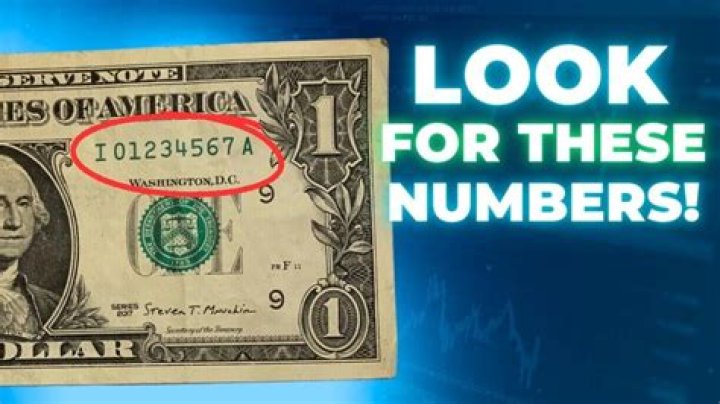
Certificates no longer carry monetary value as an exchange for silver. Although collectors still seek out many of the uncommon prints, many certificates are only worth their face value.
How much is a 1976 $2 dollar bill with stamp worth?
The common variety 1976 $2 star notes are worth around $8 in fine condition. In uncirculated condition the price is around $20-25 for bills with an MS 63 grade. The rare variety star notes can sell for around $80 in fine condition and around $150 in uncirculated condition with a grade of MS 63.
What 2 dollar bills are worth the most?
Most large size two-dollar bills issued from 1862 through 1918, are highly collectible and are worth at least $100 in well-circulated condition. Uncirculated large size notes are worth at least $500 and can go up to $10,000 or more.
Where did the two dollar silver certificate get its name?
This name comes from the fact that it appears that George Washington is looking through the porthole of a ship. 1899 twos are the most common large size silver certificate for the denomination. These can be bought for less than $100 in heavily circulation condition. High grade examples are of course worth much more. expats dating
How much is a one dollar silver certificate worth?
The key variance is text that appears below Washington’s portrait stating that the tender is valued at one dollar in silver payable to the bearer on demand. These common certificates can be sold just slightly over face value, as uncirculated silver certificates from this time period typically sell for $2 to $4.
How much is a 1928 Silver Certificate Bill worth?
The rarest silver certificate dollar bills are the 1928C, 1928D, and 1928E versions. Any notes that fall into these categories can fetch anywhere between $125 and $600 as long as they’re in fine condition. How much is a $1 silver certificate worth?
When did the United States start issuing silver certificates?
Silver certificates are a type of representative money issued between 1878 and 1964 in the United States as part of its circulation of paper currency. They were produced in response to silver agitation by citizens who were angered by the Fourth Coinage Act, which had effectively placed the United States on a gold standard.